Why is Recycling Important?

Why is Recycling Important?

Whether you’re managing large quantities of commercial waste or simply ensuring your household waste is properly separated into the correct bins, recycling is now pretty much second nature to most of us. Given that the soaring global population is putting a huge strain on our natural resources, recycling has never been more important to the future of our planet and our people – the Earth can’t support our needs indefinitely. 

In this article, the team at Woodford Recycling will be explaining in simple terms why recycling is so important and the impact that it has on our environment.

What is recycling?

What Is Recycling?

To put it simply, recycling is the process of recovering and reprocessing waste materials so that they can be used again. This allows items that would have otherwise needlessly gone to landfill to be used in the creation of new products, conserving natural resources and preventing pollution.

Why should we recycle?

Britain’s landfill sites are overflowing and, given that plastic can take between 20 and 500 years to fully decompose, it’s no surprise that some experts predict we’ll have run out of landfill space within the next 30 years. 

There’s also the matter of the environment to consider; as waste breaks down, methane and other harmful gases are released into the atmosphere, further contributing towards climate change. As you might imagine, a landfill site isn’t exactly conducive to a healthy ecosystem either. As waste breaks down and rainwater passes through it, leachate is released – a toxic liquid that can pollute the surrounding environment and groundwater, causing harm to local wildlife. To avoid issues like this, as much waste as possible must be diverted from landfill, which is where recycling comes in.

The earth is also rapidly running out of natural resources to produce the materials and fuels we need, so recycling can help to reduce demand and conserve these valuable raw materials. The key to a more sustainable future is simple: reduce, reuse and recycle.

What happens to my recycling?

What Are The Benefits of Recycling?

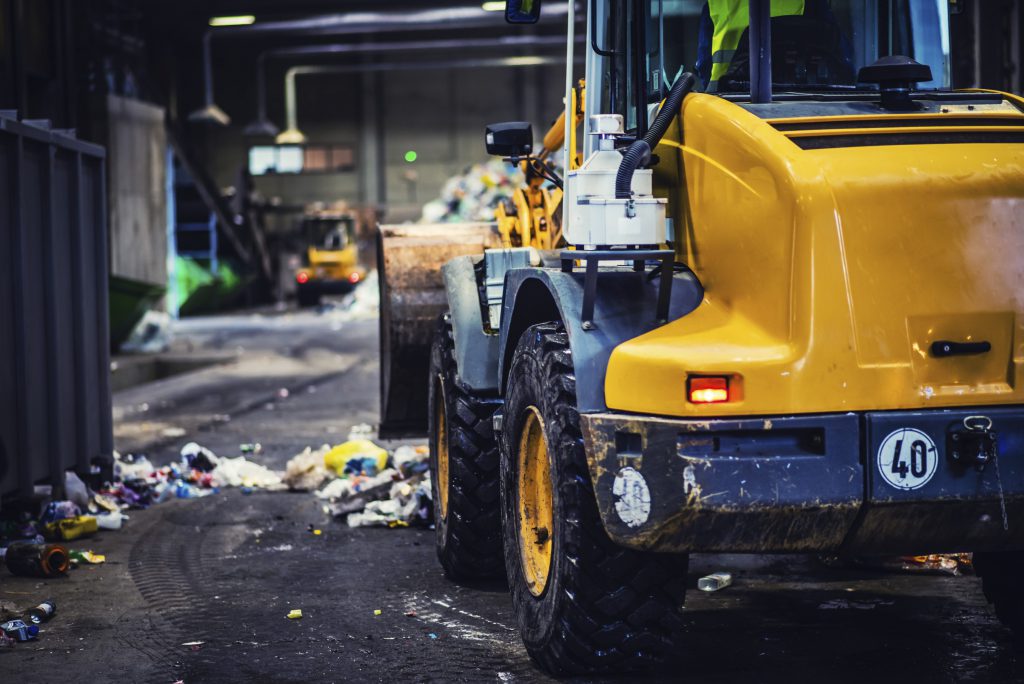
Recycling typically takes place at a specialist MRF (Materials Recovery Facility), like our state-of-the-art recycling centre here in Huntingdon. Here, the waste from all of our skips is processed and recycled in line with all legal and environmental standards.

Firstly, the waste is sorted into different groups – paper, metal and plastic, for example – either by hand or using machinery. Once the waste has been categorised, it will be checked for contaminants before being prepared for further use. These recycled materials will then be sent to an accredited reprocesser, who will use them to manufacture new products in the future. 

Here at Woodford Recycling, we strive to recycle 100% of the waste we collect; this puts us far above the UK’s average recycling rate of 45%.

What are the benefits of recycling?

There are numerous reasons to think more closely about what you’re putting in the bin, and what you’re recycling. The top benefits of recycling include:

  • Relieves pressure from landfill sites: Most non-recycled materials find their way to landfill sites which are already overburdened. Recycling relieves the strain on landfill sites and reduces the need to reclaim land for landfill purposes.
  • Conserves natural resources: The planet’s natural resources are in short supply and, quite simply, our demand for materials is outweighing the Earth’s capacity to provide it. When we recycle, we are helping to conserve natural resources for future generations.
  • Protects biodiversity and wildlife: Harvesting resources often damages the natural world and the wildlife that calls it home. Simply by making efforts to recycle, we can reduce the number of forests cut down, reduce pollution, and reduce harm to wildlife.
  • Protects people: It’s not just wildlife that suffers. Local people are affected by harvesting resources, either through displacement of their communities or pollution of their rivers. Recycling helps protect the people who live in these areas by easing the demand for resources.
  • Saves money: Resources need to be paid for, and it’s our economy that must shoulder this burden. Recycling will limit our economy’s need to pay for fossil fuels, mining costs, and deforestation costs.
  • Saves energy: The process of making new products from recycled materials uses less energy than making products from raw materials – including extraction, processing and transport. This saves energy and slashes any produced greenhouse emissions.

What can NOT be recycled?

Unfortunately, not all waste can be recycled, and there are several materials that require specialist handling from an expert and must be disposed of in other ways, such as:

  • Hazardous waste: Hazardous waste such as asbestos, pharmaceuticals, acids, chemicals, aerosols and more can’t be recycled; instead, they must be separately collected and disposed of by a professional to ensure safety.
  • WEEE waste: All electrical waste, such as unwanted appliances, computers, phones and more, can’t be disposed of with standard recycling. WEEE waste contains hazardous materials and must go to a specialist waste management expert to ensure proper disposal and allow for valuable components to be recycled.
  • Ceramics and mirrors: Although glass can often be recycled, certain products such as ceramics, mirrors and windows have to be handled separately. This is because they have a different melting point from standard glass and often contain certain additives or coatings.
  • Food waste: Any contaminated food packaging must be disposed of separately as any leftover oil or morsels of food can contaminate the rest of the recyclable waste.
  • Textiles: Clothes and other unwanted textiles can’t go in with the rest of your recycling as they are often made of mixed materials and therefore can’t be easily separated and processed. However, designated textile recycling bins are growing more common, or you could even repurpose the fabric into something new if it’s still in good condition.

Is recycling required by law?

Currently, although failure to recycle is frowned upon, it’s not actually illegal. However, the Controlled Waste Regulations 2012 outline what is classed as household, commercial and industrial waste for businesses throughout the UK. Anything classed as commercial waste is subject to the Environmental Protection Act 1990, which means that businesses have a legal duty of care to ensure their waste is properly managed and disposed of. 

DEFRA is also gradually introducing a ‘Simpler Recycling’ scheme over the next few years. By 31st of March 2025, all businesses must be recycling paper, cardboard, plastic, glass and metal, plus a separate storage and collection process must be implemented for food waste.

How can I help the environment?

Environmental Help with Woodford Recycling

Next time you take on a big home improvement project, be sure to hire a skip rather than just dumping all your rubbish into your wheelie bin and hoping for the best. When you work with a trusted skip hire company like Woodford Recycling, we’ll ensure all of your waste is properly separated and disposed of after we’ve collected it – you don’t have to do a thing!

If you run a business, it’s best to consult a well-established waste management company with a trusted reputation, like Woodford Recycling, to ensure you’re complying with all regulations. Not only does this maximise convenience and help to minimise your business’s environmental impact, but it can also help to boost your public image and green credentials.

Recycling schemes throughout Peterborough and Cambridge

There are many community initiatives and commitments that have been launched throughout Peterborough and Cambridge in a bid to boost recycling. Just a few of these include:

Here at Woodford Recycling, we’re dedicated to eco-friendly practices and aim to recycle 100% of the waste we collect to divert it from landfill and recover valuable resources. We deliver waste management solutions that you can trust – get in touch with our friendly experts today for advice. We serve Peterborough, Cambridge, Huntingdon and the surrounding areas.

Call

Email

Address

Opening Hours

Mon-Fri: 8am-5pm

WhatsApp us