
In most modern homes, drainage doesn’t have to be a concern; your wastewater will be quickly and efficiently taken away and treated via the mains sewers without you having to do anything. However, some properties that are older or located out in rural areas aren’t so lucky and will be unable to connect to the main sewerage system – that’s where septic tanks come in.
You’ve probably heard of septic tanks before, but perhaps you’re unfamiliar with what exactly they do. How does a septic tank work and what happens to the waste it collects? The team here at Woodford Recycling is here to explain everything you need to know.
What is a septic tank?
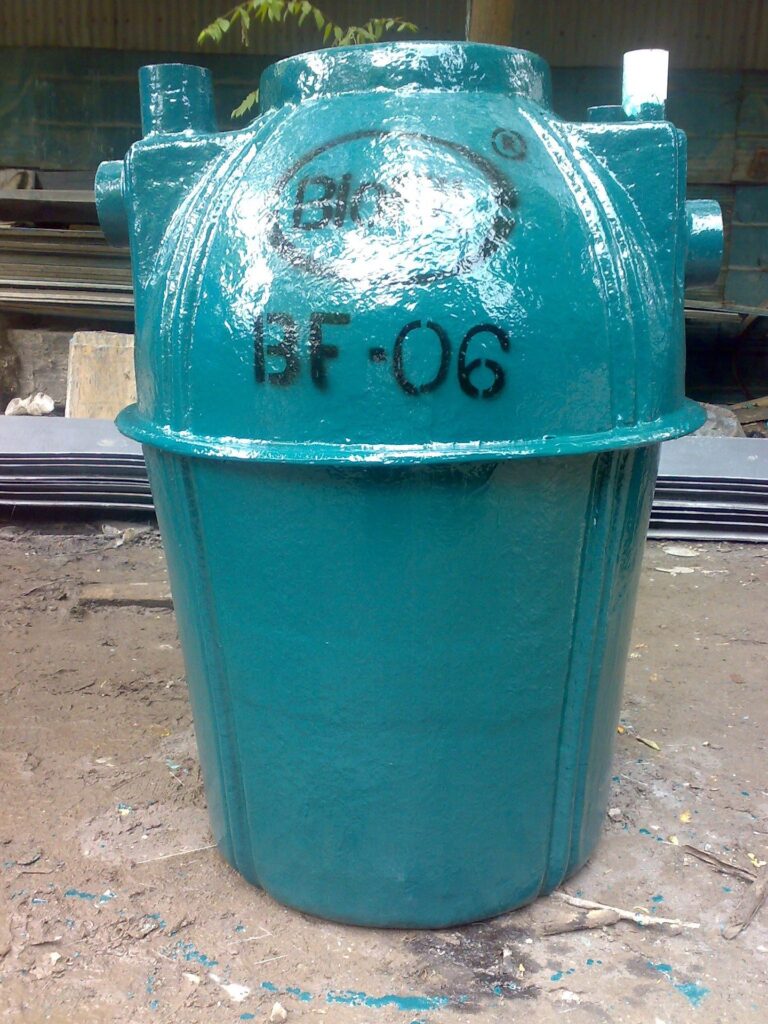
A septic tank is a large, underground container that treats household wastewater – basically, it’s where all of the waste from your sinks, toilets, showers and drains will flow. In general, septic tanks will be found in areas where it isn’t possible to access the public sewerage system, such as rural areas or off-grid communities.
How often should a septic tank be emptied?
There is no set timeline for how often a septic tank should be emptied; it all depends on a number of factors, such as the size of the tank in question, frequency of use and how many people are in your household, however, it is really important for septic tanks to be emptied when needed. For instance, septic tanks that are used in busy commercial or agricultural spaces will typically need to be emptied more frequently than a small septic tank serving a family of four.
However, it’s generally recommended that your septic tank should be emptied every one to three years. Of course, it goes without saying that if you notice any issues – excess water, unpleasant smells, strange noises, slow drainage or sewage back-ups, for example – then you should consult with a waste disposal professional, as it may mean your septic tank has become full sooner than expected. If you need your septic tank emptying, contact Woodford Recycling today – we’re here to help!
[cta title=”Need Your Septic Tank Emptying?” copy=”Get in contact with Woodford Recycling today for expert waste disposal!” button_text=”Contact Us” button_link=”/contact-us” show_second_button=”true” second_button_text=”Call us” second_button_link=”tel:08081698960″]
What happens to the waste from a septic tank?
So, how do septic tanks work? Well, the tank will first separate the waste into three layers: sludge, scum and effluent. Solids will settle near the bottom and form a sludge while lighter liquid waste – like fats, grease and oil – will float towards the top and create a film of scum. These two layers are retained inside the tank, while the clearer effluent that lies between them will be filtered and then drained into a soakaway.
When the effluent is discharged, it leaves behind a thick layer of sludge which, if left to build up over time, can cause blockages and lead to sewage back-ups. The experts at Woodford Recycling can help with this, carrying out septic tank desludging and cleaning services.
Your septic tank must only ever be emptied by a licensed professional, like the team at Woodford Recycling; otherwise, there are health hazards and risks to the surrounding environment. When a septic tank is emptied, the waste is pumped out and collected in a secure tanker vehicle. This is transported to a designated wastewater treatment facility where it is processed to remove contaminants.
If you’re based in Cambridge, Peterborough, Huntington or the surrounding areasand you have a septic tank that needs emptying, get in touch with the team at Woodford Recycling today. We can support you with a range of cesspit and septic tank servicesthat will ensure your waste is handled safely and responsibly – contact usto find out more.